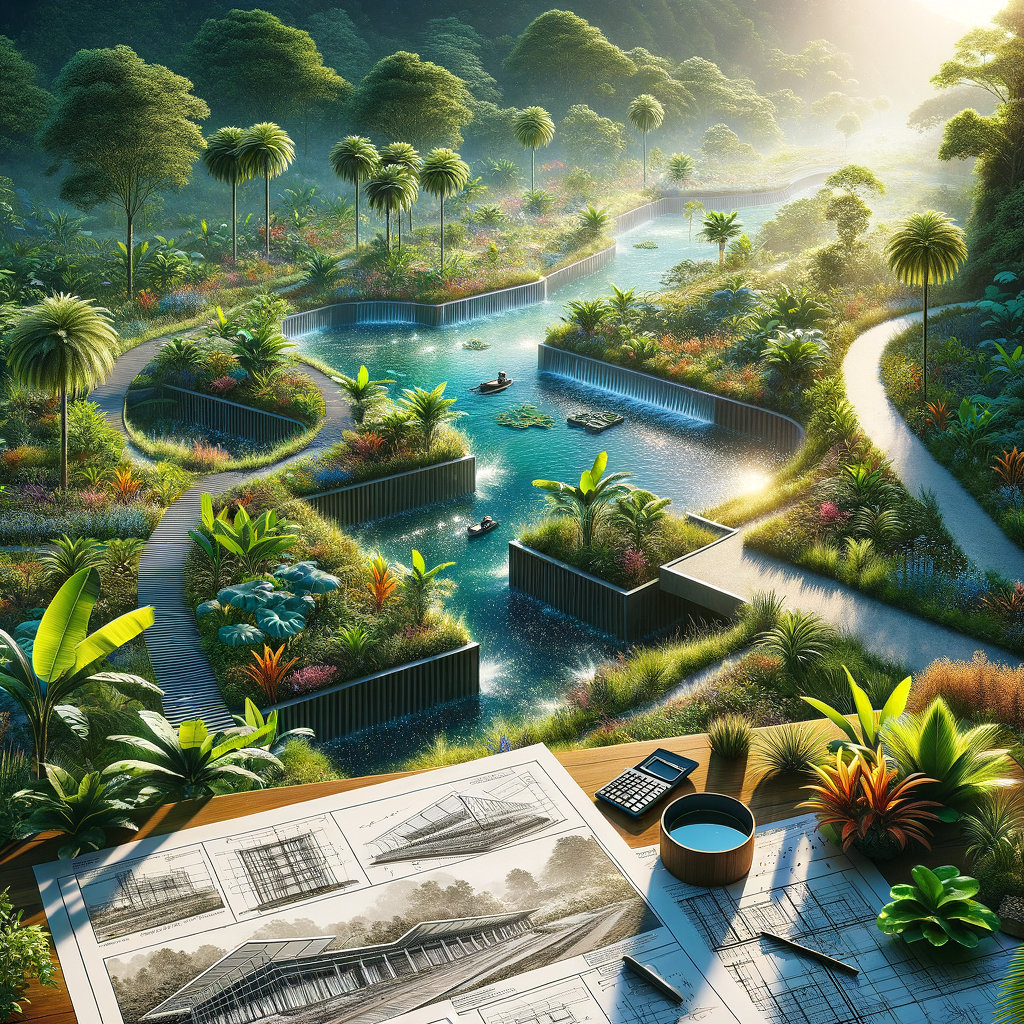
Best Practices for Designing Detention Ponds in Malaysia
In the rapidly urbanizing landscapes of Malaysia, effective stormwater management has become a critical aspect of environmental sustainability and urban planning. Among the various solutions available, detention ponds serve as a vital tool for controlling runoff, reducing pollution, and enhancing groundwater recharge. This blog delves into the best practices for designing detention ponds in Malaysia, ensuring their efficacy and sustainability.
Understanding Detention Ponds
Before we explore the best practices, it is essential to define what a detention pond is. A detention pond is a storage facility designed to temporarily hold stormwater runoff and release it slowly to prevent flooding. The key objectives include:
- Flood Control: Preventing downstream flooding by managing peak flow rates.
- Water Quality Improvement: Treating stormwater to remove pollutants before it enters open water bodies.
- Groundwater Recharge: Allowing filtered water to seep into the ground, replenishing aquifers.
Design Principles for Effective Detention Ponds
1. Site Selection
The first step in designing an effective detention pond is the proper selection of its location. Factors to consider include:
- Proximity to developed areas to maximize runoff capture.
- Soil types and conditions that favor infiltration.
- The natural topography which can aid in directing water flow towards the pond.
2. Sizing the Detention Pond
Accurate sizing is crucial to ensure that the pond can handle the expected runoff during significant storm events. Important considerations include:
- Calculation of Runoff: Utilizing hydrological modeling tools to estimate runoff based on rainfall data.
- Evaporation and Infiltration Rates: Taking into account local climatic conditions that may affect water retention.
- Regulatory Requirements: Adhering to local guidelines specifying requirements for pond capacity.
3. Incorporating Vegetation
The integration of vegetation within the pond design contributes significantly to its functionality. Benefits include:
- Enhanced Filtration: Plants aid in filtering pollutants from the water.
- Improved Aesthetics: Native plants can provide a natural appearance that blends with the surroundings.
- Biodiversity Support: Creating habitats for various flora and fauna.
Maintenance Practices
Designing a detention pond is just the beginning; ongoing maintenance is vital to ensure that the pond functions effectively. Here’s what is recommended:
- Regular Inspections: Conducting routine checks for sediment accumulation, debris, and vegetation growth.
- Cleaning: Removing trash and invasive plant species to maintain optimal water flow and quality.
- Monitoring Water Quality: Testing for pollutants intermittently to assess the effectiveness of the pond in treating stormwater.
Conclusion
In conclusion, the design of detention ponds in Malaysia requires a thoughtful approach incorporating best practices in site selection, sizing, vegetation incorporation, and maintenance. By implementing these strategies, urban planners and engineers can create effective stormwater management solutions that promote sustainability and protect Malaysia’s valuable water resources. Focusing on such environmentally conscious designs will not only aid in flood control but also enhance the overall ecosystem. Embrace these best practices for a resilient future.