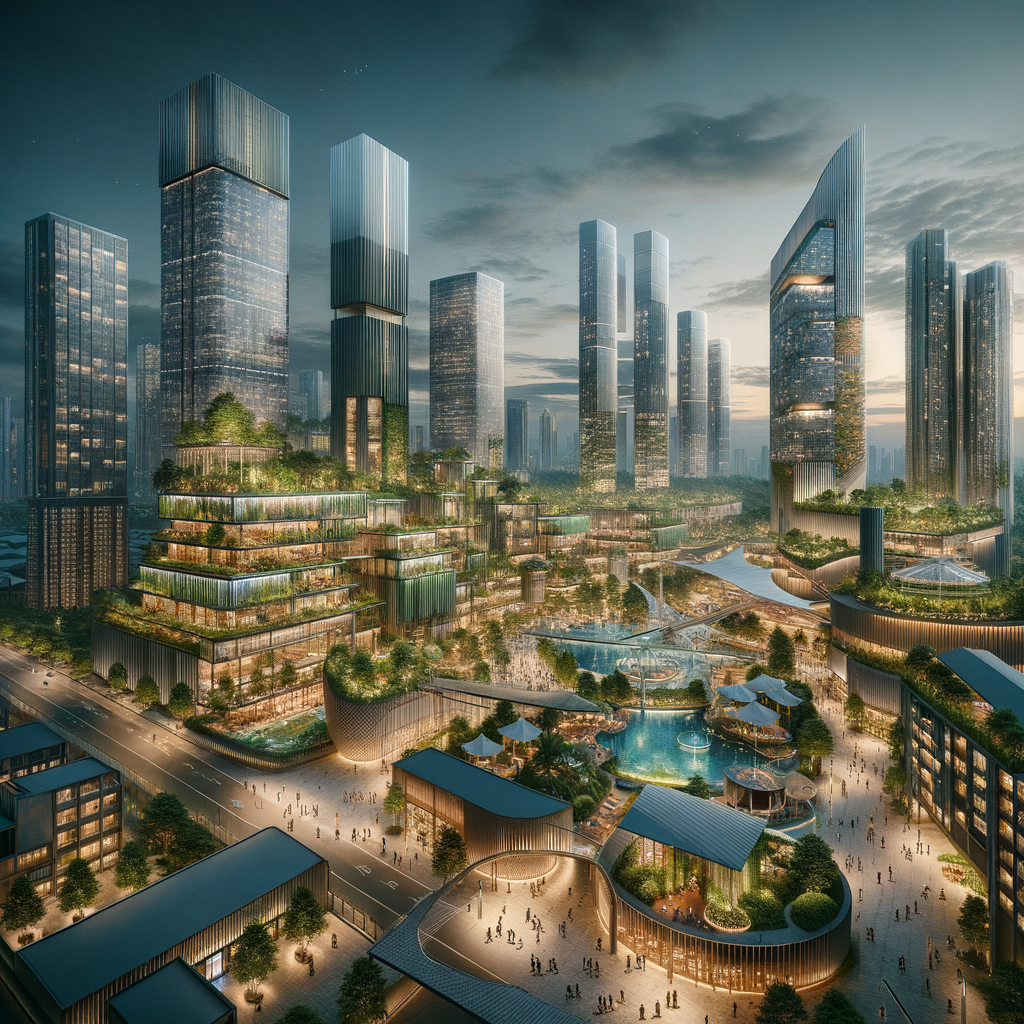
A Closer Look at MSMA Guidelines: Urban Development in Malaysia
If you’ve ever found yourself wondering, “What in the world do MSMA guidelines have to do with my morning coffee?” well, you’re in for a treat! Today, we’re spilling the beans on MSMA, which stands for Manual Saliran Mesra Alam, and how these guidelines are reshaping the concrete jungles of Malaysia into more livable and sustainable cities. So, grab your favorite brew and let’s dive in!
What Are MSMA Guidelines?
The MSMA guidelines were introduced by the Department of Irrigation and Drainage (DID) of Malaysia to create better urban drainage systems. Think of it as a manual for cities to ensure that their rivers won’t turn into raging torrents of regret every time it rains. With climate change throwing its tantrums, proper drainage is more vital than ever!
Objectives of MSMA
So, what are the primary objectives of the MSMA? Glad you asked! Here’s a fun little list:
- Promote sustainable urban drainage systems.
- Enhance water quality in urban areas.
- Mitigate flood risks.
- Encourage the preservation of natural water bodies.
These objectives basically boil down to making our cities not only more functional but also more enjoyable. After all, nobody wants to step outside and have their shoes spontaneously become a couple of very soggy sponges!
The Structure of MSMA Guidelines
Let’s take a peek under the urban hood and see how these guidelines are actually structured. The guidelines include:
- Policies and Principles: This section outlines the overarching goals.
- Design Criteria: Here, designers learn what it’s like to play in the big leagues with official requirements.
- Best Practices: Think of this as the handbook for urban development rockstars.
Key Components
The key components of the MSMA guidelines include:
- Rainwater management systems
- Pollution control measures
- Regulatory frameworks that ensure compliance
Benefits of MSMA Implementation
Implementing these guidelines doesn’t just mean fewer instances of people wading through streets knee-deep in water. Here are some benefits you can look forward to:
- Increased public safety during heavy rains.
- Enhanced urban aesthetics (hello, green spaces!).
- Improved property value in well-planned areas.
Not to mention, when communities become more resilient, we spend less time turning into aquatic frogs. Winner!
Real-World Success Stories
Let’s sprinkle in some examples of how this is working in the real world.
- Petaling Jaya: This bustling city has integrated green roofs and rain gardens, drastically reducing runoff.
- Iskandar Malaysia: They’ve built entire districts with smart drainage designs in mind, creating a replicable model for success.
Challenges Ahead
Of course, every silver lining has a cloud. The road to urban development paved with MSMA guidelines does have some bumps:
- Resistance from developers who dislike additional regulations.
- Funding issues for implementing large-scale changes.
- Need for ongoing public education to ensure compliance.
Conclusion: A Bright Future Awaits
As we wrap up our merry journey through the world of MSMA guidelines, remember this: urban development doesn’t have to be as dull as watching paint dry! With an emphasis on sustainability and clever city planning, Malaysia is on the right track to create livable cities that are both functional and beautiful. So, let’s raise a toast (preferably not in flooded waters) to a brighter and greener future!