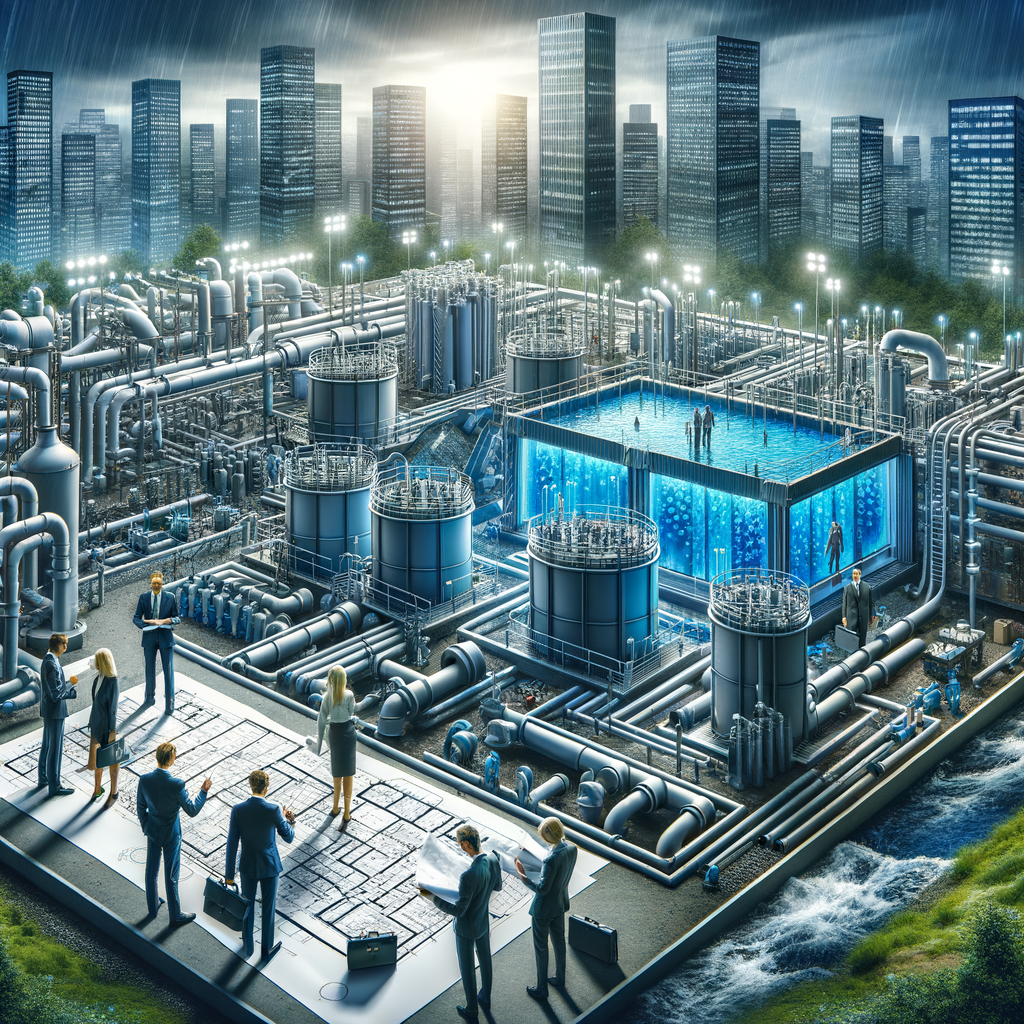
Ensuring Safety and Functionality of Stormwater Detention Systems
In urban planning and environmental management, the design and implementation of stormwater detention systems play a pivotal role in mitigating flood risks and managing water quality. These systems are essential in managing the water runoff that results from precipitation events, helping to prevent not only flooding but also the erosion of landscapes and degradation of water quality in nearby bodies of water.
Understanding Stormwater Detention Systems
Stormwater detention systems are engineered structures specifically designed to store excess stormwater during heavy rainfall events. Rather than allowing water to flow directly into storm drains or natural water bodies, which can lead to flooding and pollution, these systems temporarily hold water, gradually releasing it at controlled rates.
Key Components of Stormwater Detention Systems
- Detention Basins: Large, excavated areas that hold water during and after rainfall.
- Ponds: Permanent water bodies that can manage both temporary and permanent storage of stormwater.
- Infiltration Trenches: Gravel-filled trenches designed to allow water to seep into the ground, thereby reducing surface runoff.
- Green Infrastructure: Incorporating vegetation and natural elements, these systems help absorb water and filter pollutants.
Design Considerations for Effective Stormwater Management
The design of stormwater detention systems requires careful consideration to ensure optimal functionality and safety. Here are important factors to keep in mind:
- Hydrology Analysis: Conducting a detailed analysis of the area’s hydrology is essential. This includes understanding the soil types, topography, and existing drainage patterns.
- Capacity Planning: Systems should be designed to accommodate the maximum expected stormwater flow while ensuring that overflow mechanisms prevent flooding.
- Safety Features: Incorporating safety features such as emergency overflow routes and means to warn surrounding areas of potential flooding can mitigate risks.
- Maintenance Accessibility: Systems should be designed with ease of maintenance in mind, allowing for regular inspections, sediment removal, and vegetation management.
The Importance of Regular Maintenance
Maintaining stormwater detention systems is not just about ensuring functionality; it is also crucial for safety. Neglected systems can become overgrown with vegetation, accumulate debris, or suffer from structural failures. Regular maintenance entails:
- Inspections: Routine checks to identify any potential issues, such as leaks, sediment buildup, and vegetation overgrowth.
- Cleaning: Removal of debris and sediment that can obstruct flow and reduce the storage capacity of the system.
- Repairing Structural Issues: Promptly addressing any structural damages to prevent further complications.
Conclusion
Stormwater detention systems are crucial in managing urban runoff and preventing flooding, but their effectiveness is contingent upon both thoughtful design and diligent maintenance. By prioritizing the safety and functionality of these systems, we can protect our communities from the adverse effects of stormwater runoff while promoting sustainable water management practices. Investing time and resources into these systems not only safeguards our environment but also enhances public safety, making it a worthy endeavor for urban planners and municipalities.